UV Exposure Units, Laser Cliché Systems, and Outsourced Options for Making High-Quality Pad Printing Plates
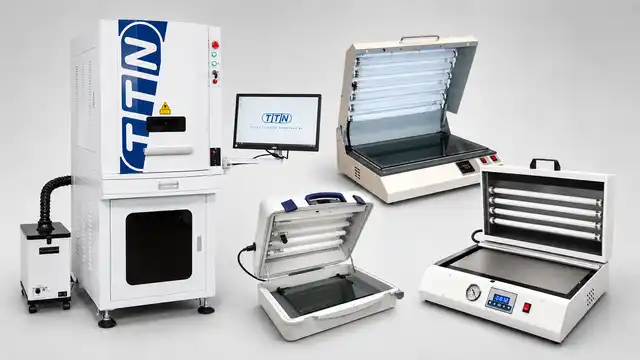
Automark offers equipment for producing pad printing clichés in-house, from UV exposure systems for polymer plates to the TTN Cliché Laser for fast, precise laser engraving. Whether you are making a few clichés per day or need a production-ready plate making workflow, we can help you choose the right system, plate material, and process.
The cliché, or printing plate, controls image quality, ink transfer, fine detail, and setup repeatability. Poor cliché quality leads to inconsistent ink pickup, soft edges, longer setup times, and avoidable production variation. Investing in reliable pad printing plate making equipment gives manufacturers tighter control over the parts of the process that directly affect print quality.
Sharper Detail
High-quality clichés hold fine artwork, small text, and precise image edges for cleaner pad prints.
Faster Setup
Repeatable plate quality helps operators dial in the job faster and reduce trial-and-error setup time.
Better Ink Transfer
Consistent etch depth and surface quality improve ink pickup and release from the silicone pad.
More Control In-House
In-house cliché making improves turnaround, confidentiality, scheduling control, and production flexibility.
What Is Pad Printing Plate Making?
The Right Plate Making Equipment Changes Everything
Pad printing plate making is the process of creating a cliché (printing plate) that transfers ink onto a product. These plates can be produced using laser engraving systems, UV exposure units with photopolymer plates, or outsourced to third-party suppliers.
Automark helps companies choose the best way to produce pad printing plates based on volume, cost, and quality. Each method offers different advantages depending on your production volume, required precision, and operational budget.
Why Plate Selection Matters
Directly affects cost per print
Impacts production speed and throughput
Determines print quality and repeatability
Influences chemical and consumable overhead
Shapes your total cost of ownership
plate making methods
UV Exposure or Laser Engraving: Which Plate Making Method Fits Your Production?
UV Exposure Units for Polymer Clichés
Best for:
1–4 plates per day
Lower-volume production
Prototype work
Companies starting in-house cliché making
A polymer cliché exposure unit is commonly the lower upfront cost path. Typical plate making time is 30–40 minutes per plate, and the process works well with WS43 water wash plates and ST52 alcohol wash plates.
The TTN cliché laser engraves several plates in approximately one minute. It is recommended for YL50 laser plates, compatible with COL40 laser plates, and YL50 is Automark’s preferred plate material for this workflow.
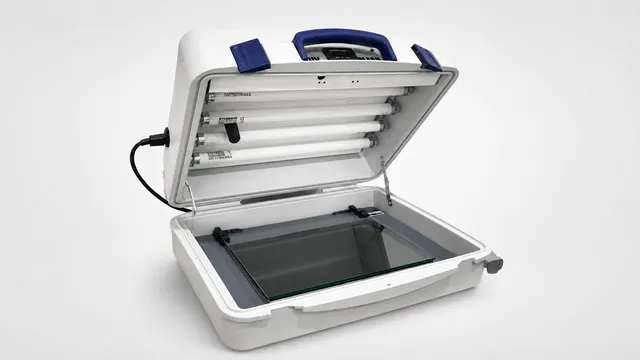
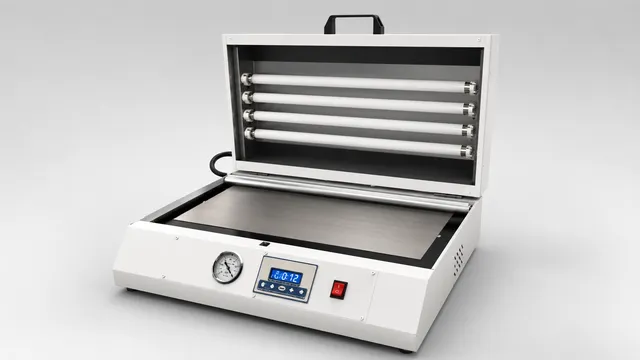
UV exposure units for clichés are a practical choice for customers making a small number of polymer clichés each day. This type of plate making equipment commonly used with water wash and alcohol wash cliché materials and are a cost-effective way to bring polymer cliché processing and pad printing plate production in-house.
A UV exposure workflow is a good fit for 1–4 plates per day, lower-volume shops, prototype work, and occasional plate changes. A typical process takes about 30–40 minutes per plate and can be configured for WS43 water wash plates or ST52 alcohol wash plates.
1-4 Plates Per Day
Practical for lower daily cliché volume and controlled in-house production.
30-40 Minute Process
Exposure, washout, drying, and finishing typically fit a manageable shop workflow.
Water or Alcohol Wash
Supports WS43 water wash plates and ST52 alcohol wash plates.
See How to Make a Polymer Cliché with a UV Exposure Unit
Watch the full workflow for producing a polymer pad printing cliché using a UV exposure plate making system. This instructional video helps operators understand the exposure, washout, drying, and finishing process used to create high-quality polymer clichés.
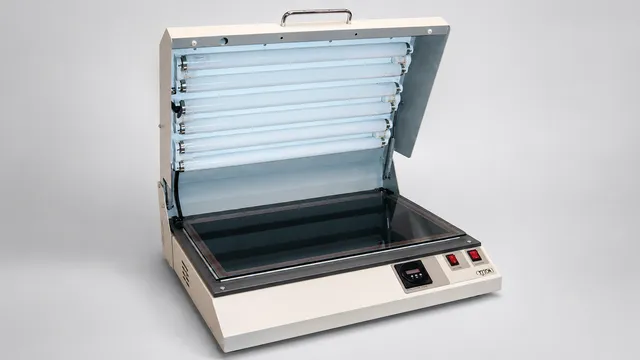
Choose from entry-level and professional UV exposure systems for making pad printing clichés in-house. This plate making equipment is designed for photopolymer water wash plates, alcohol wash plates, and thin steel clichés used in pad printing plate production.
TTN UV Mark
Starting at $995
Affordable and accurate UV exposure unit for shops making small numbers of polymer clichés in-house. Uses a glass pressure plate to hold film against the cliché. Can be equipped with a vacuum.
Maximum Cliché Size:
250 × 300 mm
Cliché Type:
Photopolymer water wash, photopolymer alcohol wash, and thin steel
Automark can help you select the correct UV exposure unit, cliché material, and plate making workflow based on your daily plate volume, artwork size, and production requirements.
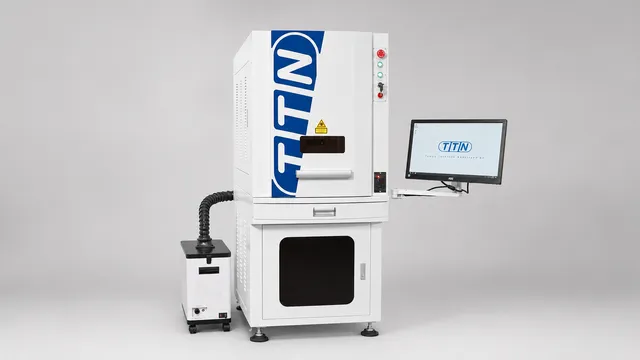
TTN Cliché Laser for Fast, High-Detail Plate Engraving
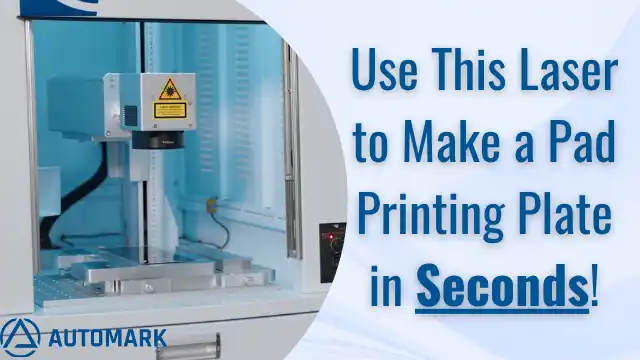
The TTN Cliché Laser is a type of plate making equipment designed for companies that need faster cliché production, fine detail, and reduced labor. Instead of spending 30–40 minutes producing each polymer plate, the TTN laser can engrave a plate in approximately one minute. For companies making five or more plates per day, the labor savings can quickly justify the investment.
This premium laser cliché engraver is a strong fit for medical, aerospace, electronics, automotive, and industrial applications that require fast laser engraving, excellent detail, repeatable production, and dependable laser engraved pad printing plates. Automark recommends YL50 laser plates as the preferred plate material, while COL40 laser plates are also compatible.
Approximately 1 Minute Per Plate
Reduce plate production time compared with traditional polymer plate workflows.
Fine Detail Engraving
Produce crisp artwork, small text, and detailed industrial marks with repeatable quality.
Ideal for YL50 Laser Plates
YL50 laser plates are Automark’s preferred material for the TTN workflow.
Reduces Labor Cost
Less operator time per plate can create a clear financial case at higher daily volumes.
Production-Ready Workflow
Designed for teams that need dependable, repeatable plate output every day.
Excellent for Frequent Artwork Changes
Fast engraving supports short runs, revisions, and high-mix production schedules.
Watch the TTN Cliché Laser in Action
See how quickly the TTN Cliché Laser can engrave precision pad printing plates. This system is designed for companies that need fast turnaround, repeatable quality, and reduced labor compared with traditional UV exposure workflows.
When Does a Laser Cliché System Make Financial Sense?
For companies making one to four plates per day, a UV exposure system is often the most practical solution. Once production reaches approximately five plates per day, the labor savings of the TTN Cliché Laser can quickly offset the higher upfront investment.
UV Exposure vs. TTN Cliché Laser Labor Comparison
Production Factor
UV Exposure Unit
TTN Cliché Laser
Best Daily Volume
1–4 plates/day
5+ plates/day
Typical Time Per Plate
30–40 minutes
Approximately 1 minute
25 Plates Per Week
Approximately 13 hours
Approximately 25 minutes
Weekly Labor Cost at $20/hr
Approximately $250
Minimal
Annual Labor Cost
Approximately $12,500
Minimal
Best Plate Materials
WS43 / ST52
YL50 / COL40
Preferred Plate Material
Based on washout process
YL50
Best Fit
Low volume and prototype work
Production environments and frequent plate changes
At 25 plates per week, the labor difference between a UV exposure workflow and the TTN Cliché Laser can equal approximately $12,500 per year. That labor savings can be close to the price difference between a UV plate maker and a laser cliché system.
Oursourced Plates - method 3
Outsourcing Pad Printing Plates
Plates can be purchased from Automark shipped ready for use. You supply the artwork, Automark produces the cliché and delivers it to your facility. No other plate making equipment, no training, and no consumable management required.
Advantages
No equipment purchase required
No setup or operator training needed
Ideal for very low volume or one-off jobs
Considerations
Higher long-term cost per plate
Slower turnaround — dependent on current lead times
Less control over plate quality and tolerances
Ideal For
Occasional or seasonal printing operations
Companies evaluating pad printing before investing
Low-volume production environments
High-volume production environments with no desire to make plates in-house
Side-by-Side Comparison
Compare Pad Printing Plate Making Methods
Not all plate making methods are equal. Use this comparison to identify the right fit for your production environment, budget, and quality requirements.
Automark supports polymer and laser-compatible plate materials for a range of in-house pad printing cliché workflows, including water wash cliché plates, alcohol wash cliché plates, and laser plate materials for steel cliché engraving and high-speed laser workflows.
WS43 Water Wash Plates
A polymer cliché plate designed for water wash processing. A strong fit for UV exposure plate making workflows.
In-house cliché making improves speed, control, confidentiality, and production flexibility across industrial pad printing departments. Whether your team uses UV exposure units or a laser cliché engraver, better control over plate production helps reduce delays and protect critical artwork.
Medical Device Printing
Less operator time per plate can create a clear financial case at higher daily volumes.
Aerospace and Defense Marking
Less operator time per plate can create a clear financial case at higher daily volumes.
Automotive Components
Less operator time per plate can create a clear financial case at higher daily volumes.
Electronics and Connectors
Produce fine marks and compact graphics for small technical components.
Industrial Product Marking
Bring cliché turnaround in-house for everyday manufacturing schedules.
Promotional Products
Handle changing artwork and short-run decoration more efficiently.
A cliché is the etched or engraved printing plate used in pad printing. It holds the image that transfers ink to the silicone pad and then onto the part.
Polymer clichés are typically made using UV exposure and washout processing. Steel or laser-compatible clichés are engraved with a laser and are often preferred for faster production, fine detail, and higher-volume environments.
A typical polymer cliché made with a UV exposure unit usually takes about 30–40 minutes, depending on the plate type, exposure settings, washout process, drying, and finishing steps.
A laser cliché system usually begins to make sense when a company is making approximately five or more plates per day. At that volume, labor savings can quickly offset the higher upfront investment.
Automark generally recommends YL50 laser plates as the preferred plate material for the TTN Cliché Laser because of their engraving quality and production performance.
Yes. Automark can help review your plate volume, artwork requirements, print detail, production schedule, and budget to recommend the right UV exposure or laser cliché system.
Explore More
Complete Your Pad Printing Setup
Plate making equipment is one part of a complete pad printing system. Explore Automark’s full range of equipment, inks, and accessories.
Pad Printers
Browse our full range of manual, semi-automatic, and fully automatic pad printing machines.
Need Help Choosing the Right Cliché Making System?
Whether you are making a few polymer plates per week or need a fast laser engraving system for daily production, Automark can help you select the right plate making equipment and cliché material for your pad printing process.