

Automark provides automotive pad printing equipment, UV digital printing systems, inks, printing pads, plates, fixtures, and application support for automotive component manufacturers and suppliers. Our solutions produce sharp, repeatable graphics on flat, curved, textured, coated, and molded surfaces in demanding production environments.
Match ink systems to plastics, metals, coatings, and performance requirements such as adhesion, abrasion, and chemical resistance.
Produce sharp, repeatable graphics on curved, recessed, textured, coated, and molded automotive components.
Print legends, symbols, indicators, logos, identification marks, and decorative graphics with consistent positioning.
Source pad printing machines, UV printers, inks, pads, plates, fixtures, automation, and application support from one supplier.
Automotive components require sharp, durable graphics that maintain their appearance and legibility throughout the life of the vehicle. Printed legends, symbols, indicators, logos, and decorative elements may be exposed to repeated handling, abrasion, cleaners, chemicals, sunlight, heat, and changing environmental conditions.
From dashboard controls and switches to center consoles, trim components, buttons, bezels, and electronic housings, automotive manufacturers need consistent print quality across high-volume production. Poor adhesion, inaccurate registration, or inconsistent coverage can lead to rejected parts, costly rework, and production delays.
Pad printing and UV digital printing provide reliable solutions for decorating flat, curved, recessed, textured, and molded automotive parts. With the correct equipment, ink system, surface treatment, and fixture design, these processes can produce repeatable results on materials including ABS, polycarbonate, nylon, coated metals, and engineered plastics.
A proven printing process for durable, repeatable marking on automotive components.
Properly matched ink systems can produce graphics that resist repeated handling, abrasion, cleaners, chemicals, and environmental exposure throughout the service life of the component.
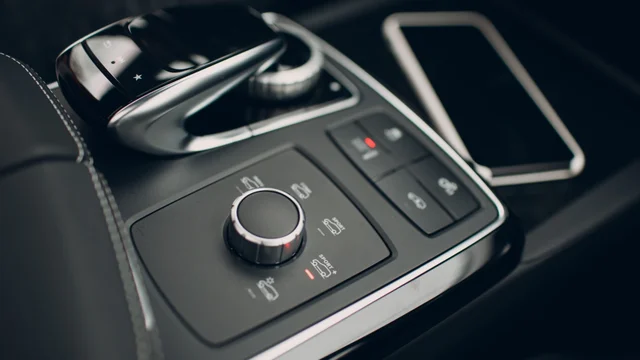
The flexible silicone pad transfers sharp graphics onto curved, recessed, textured, and irregularly shaped parts, including buttons, switches, bezels, control panels, and molded housings.
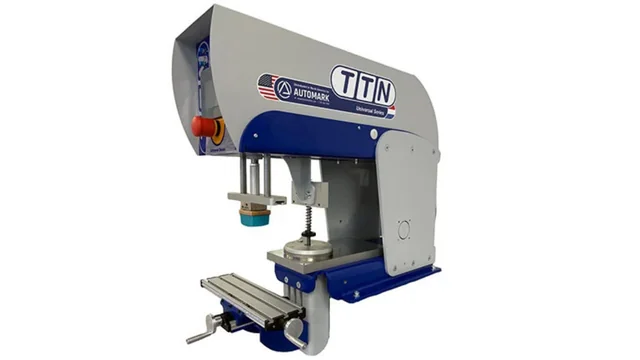
Manual, pneumatic, and automated pad printing systems can be configured for prototype work, short production runs, or high-volume automotive manufacturing with consistent cycle-to-cycle results.
Pad printing systems can apply one or multiple colors for logos, legends, warning symbols, indicators, and decorative graphics while maintaining accurate registration between printed elements.
Efficient access to ink cups, printing plates, pads, and fixtures helps reduce setup time when changing between automotive parts, graphics, or production programs.
Pad printing can be used on ABS, polycarbonate, nylon, coated metals, painted surfaces, and engineered plastics. Ink selection and application testing help determine the best adhesion and durability for each substrate.
Automotive components are manufactured from a wide range of plastics, coatings, metals, rubber compounds, and engineered materials. Achieving reliable adhesion and long-term durability requires the correct combination of ink, hardener, thinner, surface preparation, and process settings.
Automark supplies automotive pad printing inks for applications involving ABS, polycarbonate, nylon, coated plastics, painted surfaces, rubber, elastomers, and engineered composites. Ink selection is based on the substrate, required finish, production process, and performance requirements such as abrasion, chemical, cleaner, heat, and UV resistance.
Consistent print quality also depends on proper ink preparation and process control. Correct viscosity, reducer selection, curing conditions, pad choice, and print parameters help produce sharp, repeatable graphics with dependable adhesion.
For low-surface-energy or difficult-to-print materials, Tantec plasma and corona treatment systems can improve surface wettability and support stronger ink adhesion. Application testing is recommended to confirm the best ink system and surface-treatment process for each automotive component.
Materials we commonly evaluate for pad printing applications include:
Automark can review your part and help evaluate the correct ink to provide the best approach.
From dashboard controls and interior trim to electronic housings and branded components, pad printing and UV digital printing provide durable, repeatable results across a wide range of automotive applications.
01
Print icons, legends, symbols, and text on buttons, switches, knobs, and user-interface components. Pad printing produces sharp, repeatable graphics on curved, recessed, and irregular control surfaces.
02
Apply decorative and functional graphics to center consoles, door trim, bezels, instrument panels, and molded plastic components. Pad printing works well on contoured, textured, and grained surfaces.
03
Print temperature indicators, fan-speed settings, airflow symbols, mode selectors, and control legends with the clarity required for repeated handling and everyday vehicle use.
04
Mark sensor housings, connectors, control modules, switches, and electronic enclosures with identification codes, symbols, labels, and functional graphics.
05
Apply logos, model identifiers, decorative accents, and brand-specific graphics to switches, selectors, control panels, trim pieces, and other visible interior components.
06
Print warning symbols, operating icons, indicators, labels, and control legends for windows, seats, infotainment systems, safety functions, and other vehicle interfaces.
Automark helps manufacturers evaluate the part geometry, substrate, ink system, fixture design, pad selection, cliché/plate setup, and production requirements before recommending a printing solution. Whether the application requires a manual workstation, semi-automatic automotive pad printer, multi-color system, UV digital printer, or automated production cell, our goal is to build a process that produces repeatable results in the real manufacturing environment.
Evaluate part geometry, material, artwork, production volume, and durability requirements.
Match ink systems, surface treatment, and curing process to the substrate and application.
Design part-holding methods that improve repeatability, registration, and operator efficiency.
Recommend manual, pneumatic, automated, UV digital, or surface-treatment systems based on production needs.
Both pad printing and UV digital printing are used for automotive component marking, but each process is better suited for different part geometries, graphics, volumes, and production requirements.
Best for
When to Choose It
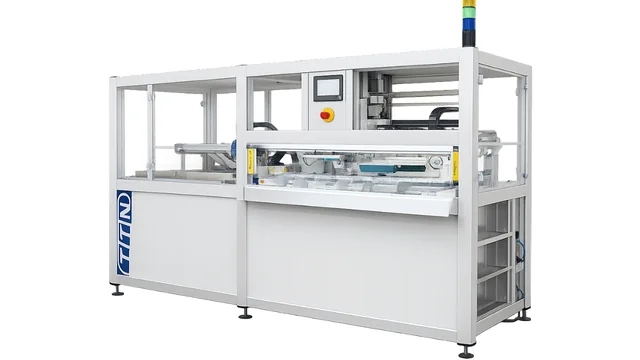
Choose pad printing when the part shape is difficult, the print location is recessed or curved, or the application requires repeatable markings across production runs. Systems can be configured as manual, pneumatic, multi-color, rotary-indexing, or fully automated solutions.
BEST FOR COMPLEX PARTS
Best for
When to Choose It
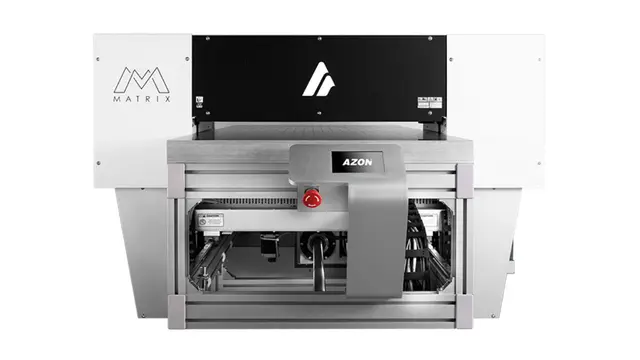
Choose UV digital printing when the application requires full-color graphics, variable data, frequent artwork changes, or short production runs. UV digital systems are best suited for flat or moderately contoured parts and can be paired with custom fixtures or automation when needed.
FULL COLOR & VARIABLE DATA
Automark can review your part, artwork, material, print area, production volume, and automation goals to recommend the correct machine, ink, pad, plate, and fixture approach.
Automotive pad printing, UV digital printing, and surface-treatment systems configured for automotive production requirements.
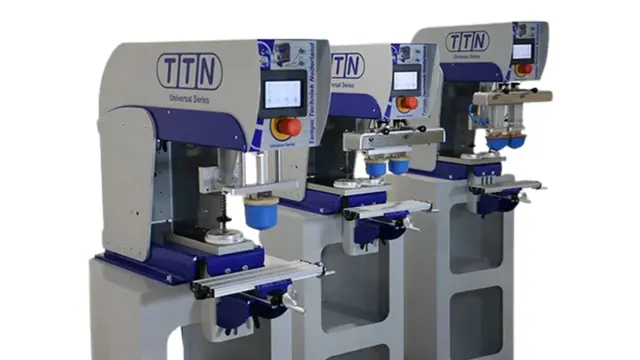
Pad Printing
European-built pad printing systems for automotive controls, switches, trim components, housings, and other molded parts. Available in manual, pneumatic, multi-color, and fully automated configurations for applications ranging from prototyping to high-volume production.
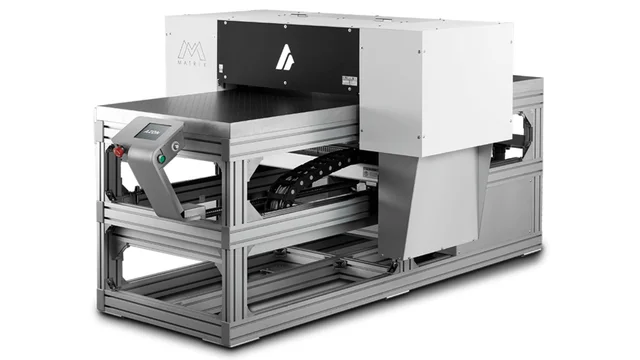
UV Digital Printing
Industrial UV digital printing systems for full-color graphics, variable data, logos, labels, and detailed markings on flat and moderately contoured automotive components. A strong option for short runs, frequent design changes, and applications requiring photographic detail.
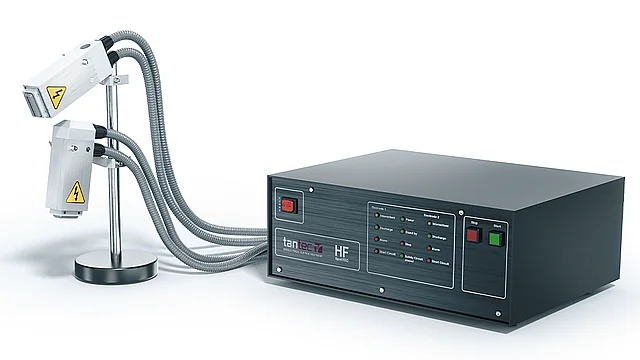
Surface Treatment
Plasma and corona treatment systems improve surface energy and help promote stronger ink adhesion on difficult automotive substrates. These systems are especially useful for polypropylene, polyethylene, coated plastics, and other low-surface-energy materials.
Automotive pad printing is used to print icons, legends, logos, symbols, indicators, labels, and decorative graphics on components such as buttons, switches, knobs, bezels, trim parts, control panels, and electronic housings.
Pad printing is well suited for automotive components because the flexible silicone pad can transfer sharp graphics onto curved, recessed, textured, molded, and irregular surfaces that are difficult to print with other methods.
Yes. Pad printing can be used on many automotive materials, including ABS, polycarbonate, nylon, coated plastics, painted surfaces, coated metals, rubber, elastomers, and engineered composites. Ink selection and application testing are important for confirming adhesion and durability.
Surface treatment may be needed when printing on low-surface-energy or difficult-to-print materials such as polypropylene, polyethylene, certain coated plastics, and other challenging substrates. Plasma or corona treatment can improve surface wettability and help promote stronger ink adhesion.
Pad printing is often preferred for high-volume production, curved surfaces, recessed areas, and repeatable single- or multi-color markings. UV digital printing can be a better fit for full-color graphics, variable data, short runs, frequent design changes, or applications requiring photographic detail.
Yes. Automark can help evaluate the substrate, required finish, production process, and performance requirements to identify an appropriate ink system, surface treatment method, and printing process for the application.
Yes. Automark supplies Marabu pad printing inks, including ink systems used for demanding medical applications. For certain applications, Class VI medical ink options may be available depending on the substrate, testing requirements, and end-use conditions.
Yes. Automark offers pad printing systems that can be configured for circumferential printing on round or cylindrical parts. These systems rotate the part during the print cycle so graphics, bands, logos, symbols, or identification marks can be applied around the outside diameter of the component. Circumferential pad printing is commonly used when a marking needs to wrap around a round part rather than print only on one side.
Automark provides industrial printing systems, ink solutions, and application expertise to help manufacturers implement reliable automotive component marking processes. Our specialists work directly with engineers and production teams to identify the right system for your application.
Or call us directly: +1-512-593-7100 | sales@automarkco.com
Send us your information below and we’ll get back to you within one business day.