Automark supplies professional pad printing inks for manufacturers printing on plastics, metals, glass, textiles, silicone, rubber, and regulated medical components. As an authorized Marabu distributor and supplier of AM-Si silicone printing ink, we help customers select the right ink, hardener, thinner, and process for durable production printing.
Serving manufacturers throughout the United States, Canada, and Mexico with application guidance, substrate testing support, color matching, and ink-system recommendations.
Pad printing ink basics
Choosing pad printing ink is not just a matter of selecting a color. Adhesion, chemical resistance, abrasion resistance, flexibility, curing method, hardener selection, thinner ratio, and substrate compatibility all determine whether the print survives in production. Automark helps manufacturers match the correct ink system to the part material, application, and performance requirement.
Select ink based on the surface being printed, including plastic, metal, glass, silicone, rubber, textiles, coated parts, and medical devices.
Choose ink systems based on abrasion resistance, chemical exposure, cleaning agents, hand contact, flexibility, cure requirements, and production environment.
Automark helps with ink selection, color matching, hardener selection, thinner ratio, ink viscosity, pad printing setup, and sample testing.
pad printing ink solutions
Automark supplies both Marabu industrial pad printing inks and our own AM-Si silicone printing ink. Each ink system is selected based on the part material, required durability, curing process, and production environment.
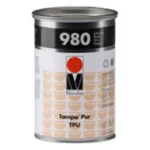
German-made ink systems for plastics, metals, glass, textiles, coated surfaces, promotional products, industrial parts, and technical applications.
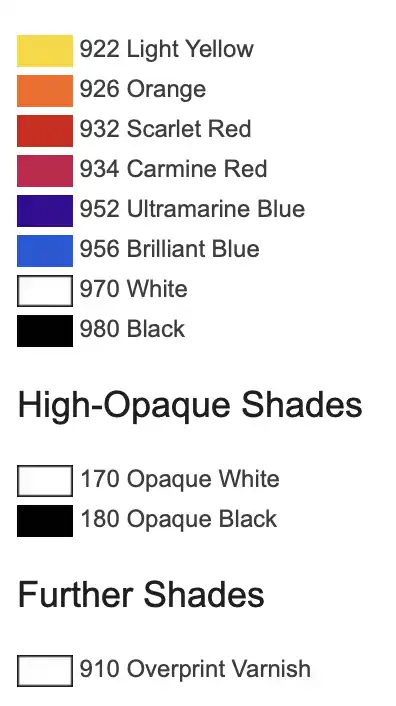
Marabu Tampa series pad printing inks are available with hardeners, thinners, retarders, additives, and Pantone, RAL, HKS, or custom color matching.
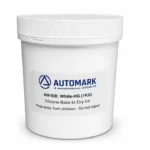
Specialty silicone printing ink for printing on silicone, wearables, flexible medical components, and high-performance industrial substrates.
AM-Si is available in room-temperature cure and bake-cure versions, with options for high opacity, abrasion resistance, chemical resistance, heat resistance, and flexibility.
applications for pad printing
Different materials require different pad printing ink chemistry. Automark helps manufacturers choose the correct ink family based on the substrate, adhesion requirements, durability needs, curing process, and production environment.
For ABS, polycarbonate, acrylic, PVC, treated polypropylene, and other plastic parts, Automark helps match the ink system to the substrate, surface energy, adhesion requirement, and production environment.
For anodized aluminum, stainless steel, powder-coated parts, plated components, and industrial metal surfaces, two-component ink systems can provide strong chemical and mechanical resistance.
Glass, ceramics, chrome, and coated surfaces require ink systems designed for adhesion, scratch resistance, chemical resistance, and optional heat curing depending on the application.
Silicone printing requires specialty ink systems designed for flexibility, stretch, chemical resistance, and durable adhesion on difficult low-energy surfaces.
Medical device printing may require biocompatibility, traceability, clean processing, and ink systems appropriate for regulated applications, including Class VI medical ink requirements.
Garments, footwear, labels, and flexible textile applications require ink systems with wash resistance, flexibility, opacity, abrasion resistance, and soft-hand performance.
pad printing ink Support
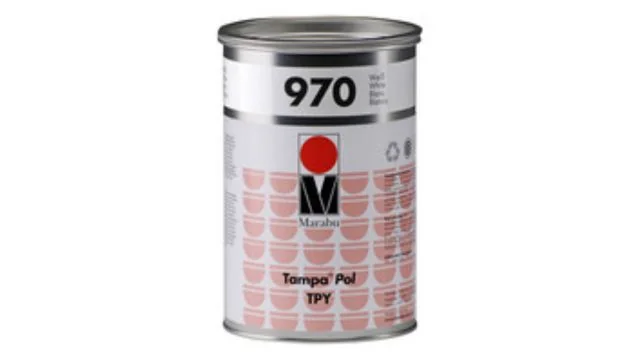
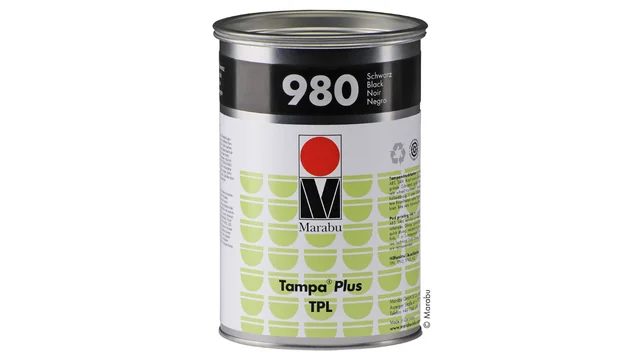
Marabu is a German ink manufacturer known for industrial screen, digital, and pad printing ink systems. Automark supplies Marabu pad printing inks, additives, hardeners, thinners, and technical support for customers that need reliable ink performance on plastics, metals, glass, textiles, coated parts, and other demanding substrates.
medical pad printing ink
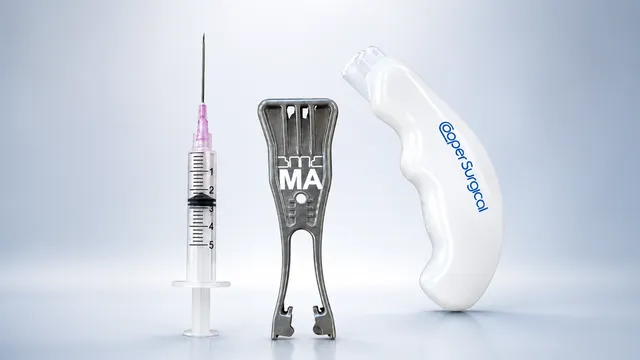
Medical device manufacturers often need pad printing ink systems that support traceability, durability, and compatibility with regulated production requirements. Applications include catheter markings, tubing, syringe components, surgical devices, housings, handles, and other medical components where print clarity, adhesion, and durability are critical.
Some medical applications may require Class VI or other medical suitability documentation depending on the part, contact type, ink system, and regulatory requirements.
Medical markings may need to resist handling, cleaning agents, sterilization-related exposure, abrasion, or chemical contact depending on the application.
Medical components can include plastics, metals, silicone, tubing, coated surfaces, and other difficult materials that require careful ink selection and application testing.
Automark can support application testing, sample printing, viscosity guidance, and equipment recommendations before production decisions are made.
selecting the right ink
Choosing the correct pad printing ink depends on the substrate, performance requirements, ink chemistry, and real-world testing. Automark can help match the ink, hardener, thinner, and process to the part being printed.
Start with the exact material being printed, such as ABS, polycarbonate, polypropylene, anodized aluminum, glass, silicone, rubber, textile, or coated metal.
Determine whether the print must resist abrasion, chemicals, cleaning agents, heat, stretching, outdoor exposure, hand contact, or sterilization-related handling.
Many pad printing inks require specific hardeners, thinners, retarders, or additives. The correct combination affects adhesion, viscosity, pot life, drying, and transfer quality.
The best ink choice should be confirmed with real parts whenever possible. Automark can assist with ink testing, sample printing, and setup recommendations.
INK COLOR MATCHING SUPPORT
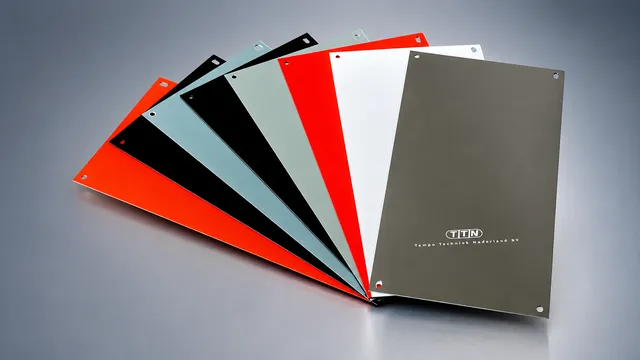
Automark can help customers with standard colors, Pantone matching, RAL matching, HKS matching, and custom pad printing ink color requirements. For production work, color selection should be matched to the correct ink series, substrate, opacity requirement, and curing method.
Match recognized color systems with the correct ink series, substrate, and testing process before production.
Review custom production colors before moving into larger ink orders or customer-facing production runs.
Coordinate color requirements with opacity, cure method, thinner ratio, adhesion testing, and application durability.
WHY BUY FROM AUTOMARK
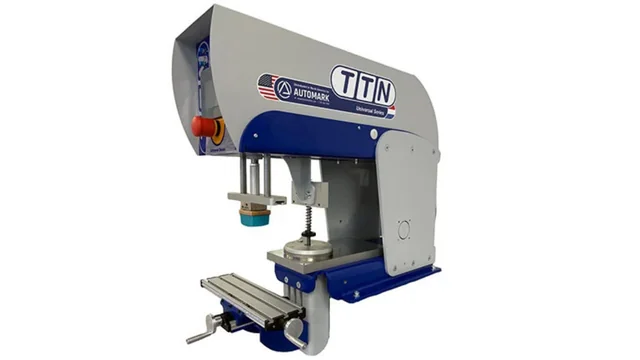
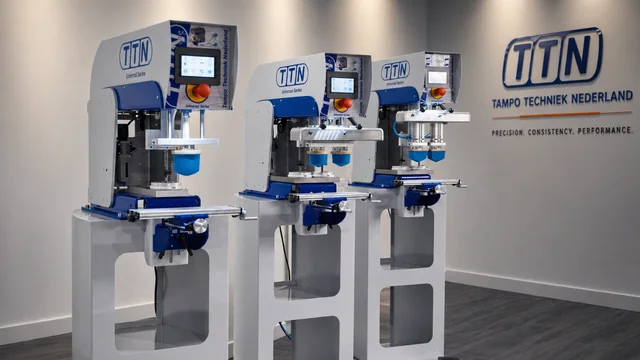
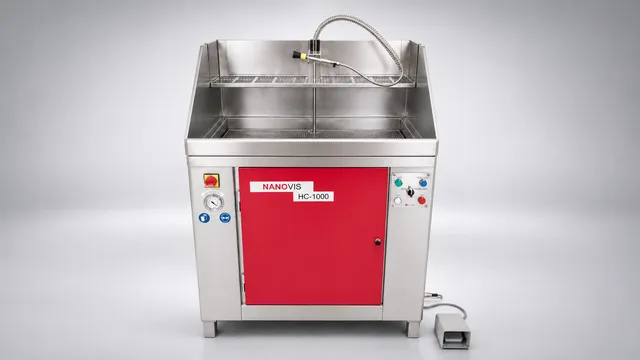
Automark does more than sell ink. We sell pad printing machines, plates, pads, fixtures, cleaning systems, and application support. That means we understand how ink behaves inside a real pad printing process, from the ink cup and cliché to the pad, part, drying, and final adhesion test.
Ink performance is affected by the pad printing machine, ink cup, cliché, pad shape, part fixture, surface treatment, environment, and operator setup. Automark supports the full process so customers can troubleshoot print quality, adhesion, color, and production consistency.
Frequently Asked Questions
Selecting ink for plastics depends on the material’s surface energy and application requirements. Materials like ABS and polycarbonate typically accept standard industrial inks such as those from Marabu, while low surface energy plastics like polypropylene often require surface treatment (flame or corona) before printing. Ink selection should also consider durability requirements such as abrasion resistance and chemical exposure. In many cases, a two-component ink system with the proper hardener provides the most reliable adhesion.
Rubber and silicone are among the most difficult substrates to print due to their flexibility and low surface energy. Standard inks will not properly bond. For these applications, a dedicated silicone ink system is required, such as Automark’s specialty silicone printing ink. These inks are designed to flex with the part, resist abrasion, and maintain adhesion under repeated use. Cure method (room temperature vs. heat cure) should be selected based on production speed and performance requirements.
A hardener is used when increased durability, chemical resistance, or adhesion is required. Two-component ink systems (such as many industrial inks from Marabu) rely on a chemical reaction between the ink and hardener to fully cure. This is especially important when printing on metals, coated parts, glass, or components exposed to solvents, cleaning agents, or outdoor environments. Without a hardener, the ink may appear dry but will not achieve full performance. Marabu H1 hardener also has a UV inhibitor built-in to prevent yellowing of white ink for outdoor applications.
Improving adhesion typically involves a combination of proper ink selection, surface preparation, and process control. For low surface energy materials like polyethylene or polypropylene, surface treatment (corona or flame) is often required. Adjusting ink viscosity, selecting the correct hardener ratio, and ensuring proper drying conditions are also critical. In some cases, switching to a different ink system entirely is necessary to achieve consistent results.
Medical device printing often requires inks that meet strict regulatory and performance standards, including biocompatibility. Many manufacturers use specialized industrial inks such as Class VI-compliant systems from Marabu, depending on the application. These inks are commonly used for catheter tubes, syringes, and other medical components where durability, traceability, and safety are critical. Ink selection should always be validated based on the specific regulatory requirements of the product. Marabu offers three Class VI medical inks including TPU, TPR, and Maraprop PP.
One-component inks air dry and are typically used for less demanding applications where high durability is not required. Two-component inks require a hardener and undergo a chemical curing process, resulting in significantly better adhesion, chemical resistance, and mechanical durability. Most industrial and medical applications rely on two-component systems for long-term performance.
Pantone matching in pad printing is achieved using base color systems and precise mixing ratios. Both Marabu inks and Automark silicone inks can be formulated to match Pantone, RAL, or custom brand colors. Factors such as substrate color, ink opacity, and print thickness can affect the final appearance, so test prints are typically recommended to ensure accuracy before full production. Marabu has the entire color guide online and available for free with registration at Marabu Color’s Manager site online here. For the Automark silicone ink series, we can match any Pantone color and even offer our silicone inks in metallic colors.
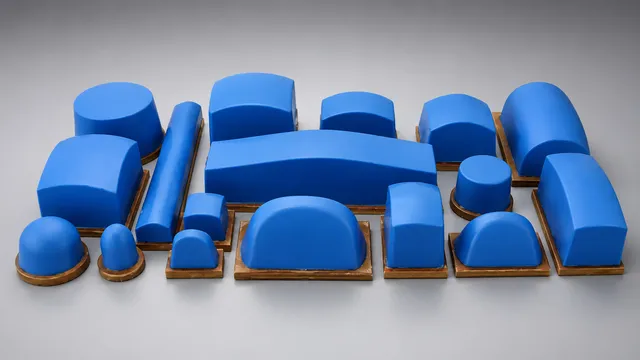
Poor ink transfer can result from incorrect viscosity, improper pad selection, or environmental conditions such as humidity and temperature. Ink that is too thick may not release properly, while ink that is too thin may not pick up cleanly from the plate. Adjusting thinner levels, selecting the correct pad hardness, and ensuring proper plate depth are all key factors in achieving consistent transfer.
Pad printing inks can cure through air drying, heat curing, or chemical reaction (in the case of two-component systems). Air drying is suitable for basic applications, while heat curing accelerates production and improves durability. Two-component inks cure chemically over time and often reach full performance after 24–72 hours, depending on the system. Automark AM-Si silicone inks are offered in two variants, a room temperature cure and an oven cured variant.
The correct ink depends on several factors including substrate, durability requirements, environmental exposure, and production process. Because of these variables, many manufacturers rely on testing and expert guidance to determine the best solution. Automark works directly with customers to recommend ink systems, optimize print parameters, and validate performance before full production.
Absolutely. It is our job to find the optimal adhesion so your group can feel confident with their printing selection. Just call or email us!
get started
Send us your part material, print requirements, color target, and production goal. Automark can help determine whether Marabu industrial ink, specialty silicone ink, or a medical-focused ink system is the right fit for your application.
Or call us directly: +1-512-593-7100 | sales@automarkco.com
Send us your information below and we’ll get back to you within one business day.