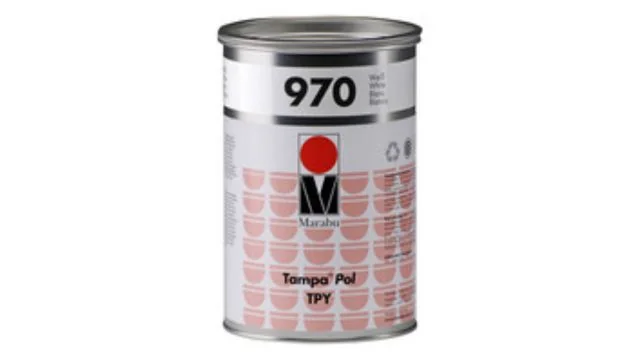
Marabu Pad Printing Ink
Authorized Distributor in North America
Automark supplies German-made Marabu pad printing inks, hardeners, thinners, and additives to manufacturers, decorators, and industrial printers across North America. As an authorized Marabu distributor, we help customers select the correct pad printing ink system for plastics, metals, glass, textiles, coated surfaces, medical components, and demanding production applications.
Serving customers throughout the United States, Canada, and Mexico with application support and ink system recommendations.
Looking for the right Marabu ink? We help match the correct ink system to your material, durability requirement, and production process.
NA Marabu Authorized DIstributor
German Made Ink Systems Since 1865
Pad Printing Application Support
Color Matching Available
advantage marabu
Why Choose Marabu Pad Printing Ink for Industrial Applications?
Marabu is a German ink manufacturer known worldwide for professional pad printing inks used in industrial, medical, and technical applications. Marabu ink systems are engineered for consistent color, strong adhesion, production durability, and compatibility with demanding substrates including plastics, metals, glass, textiles, and coated surfaces.
German Industrial Ink Manufacturing
Marabu ink systems are developed for professional production environments where color consistency, adhesion, and repeatable processing matter.
Pad Printing Ink for Multiple Substrates
Marabu pad printing inks are available for plastics, metals, glass, ceramics, textiles, coated surfaces, polypropylene, and other industrial substrates.
Durable Industrial Pad Printing Ink Performance
Depending on the ink series, Marabu inks can support abrasion resistance, chemical resistance, flexibility, outdoor exposure, and heat-cure requirements.
Complete Pad Printing Ink System Support
Automark supplies Marabu inks along with the required hardeners, thinners, retarders, additives, and technical guidance needed for production pad printing.
advantage Automark
Why Buy Marabu Pad Printing Ink from Automark?
Buying pad printing ink is different from buying standard consumables. The correct Marabu pad printing ink depends on the substrate, part geometry, durability requirements, color target, curing method, and production process.
Automark supplies Marabu pad printing ink along with pad printing machines, plates, pads, fixtures, and cleaning systems, giving us a complete understanding of how ink performs throughout the entire pad printing process—from the ink cup and cliché to the finished part.
What You Get When You Buy Marabu Ink from Automark
- Authorized Marabu Pad Printing Ink Distributor (North America)
- Pad Printing Equipment & Process Expertise
- Ink, Pads, Plates, and Machines from One Source
- Application & Substrate-Specific Ink Guidance
- Color Matching & Ink Testing Support
- Experience with Industrial and Medical Pad Printing Applications
We help manufacturers choose the right Marabu ink system for plastics, metals, glass, textiles, silicone, and medical device applications.
Marabu Pad Printing Ink Selection Guide
General Plastics
PP / PE Plastics
Glass & Coated
Textile & Flexible
Medical Components
Evaluate Class VI medical inks TPU, TPR, or PP systems with substrate testing and application review.
UV Production
Compare Marabu Pad Printing Inks by Substrate and Use Case
Ink System
Best For
Common Applications
Key Advantage
Selection Note
Start with These Marabu Pad Printing Ink Systems
These commonly selected Marabu pad printing ink systems cover the majority of industrial applications and are a good starting point for most projects.
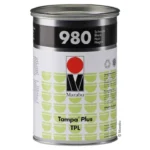
Tampa Plus TPL
Pad Printing Ink
Best for: General industrial pad printing on many plastic substrates.
A versatile Marabu pad printing ink for common industrial plastic applications.
- Broad industrial use
- Good opacity
- Reliable production performance
EN-71 Compliant
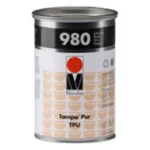
Tampa Pur TPU
Pad Printing Ink
Best for: High-durability industrial printing on plastics, metals, and coated surfaces.
A two-component option for demanding applications that require increased resistance.
- Chemical resistance
- Mechanical durability
- Good for demanding parts
class vi medical
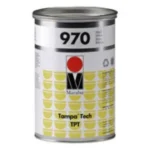
Tampa Tech TPT
Pad Printing Ink
Best for: Technical plastic applications requiring strong adhesion and durability.
Formulated for engineering plastics and high-performance applications.
Common applications: Engineering plastics, housings, automotive parts, electronic components
- Strong adhesion on technical plastics
- Suitable for demanding environments
- Reliable industrial print performance
Production friendly
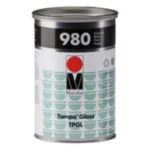
Tampa Glass TPGL
Pad Printing Ink
Best for: Glass, ceramics, metals, and hard coated surfaces.
Formulated for difficult hard surfaces where adhesion and durability are critical.
- Glass and ceramic use
- Hard coated surfaces
- Decorative and industrial applications
dishwasher safe
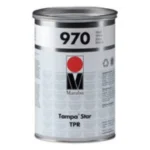
Tampa Star TPR
Pad Printing Ink
- Pretreated substrates
- Flexible performance
- Controlled industrial applications
Class VI Medical
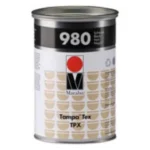
Tampa Tex TPX
Pad Printing Ink
Best for: Textile printing, garments, and flexible materials.
Designed for textile and soft goods applications where flexibility and wash resistance are important. It is commonly used for apparel and tagless labeling.
- Excellent for garments
- High-throughput production
- Oeko Tex Certified
Flexible
Choosing the correct Marabu pad printing ink depends on the substrate, durability requirements, regulatory considerations, and production environment. Use this guide to compare common Marabu ink systems for plastics, polypropylene, glass, textiles, UV-curable production, and medical component applications.
Not sure which ink is right? We can help match your part to the correct ink and do ink adhesion testing for no charge.
Application Notes for Specialty, Textile, UV, and Medical Ink Selection
Use general industrial systems when the substrate is a common plastic or production component and the job requires balanced adhesion, opacity, and repeatable performance. Tampa Plus TPL, Tampa Pur TPU, and Tampa Tech TPT are often reviewed first depending on the durability requirement.
Specialty systems should be reviewed when standard-purpose inks do not provide the needed adhesion. Tampa Pol TPY and Mara Prop PP are relevant for polypropylene or polyethylene, while Tampa Glass TPGL and Tampa Star TPR help address hard, coated, or pretreated surfaces.
Textile and flexible applications require ink systems that can move with the substrate without cracking, fading, or losing adhesion. Tampa Sport TPSP and Tampa Tex TPX are useful when abrasion resistance, flexibility, wash resistance, or soft hand feel are important.
UV-curable systems such as Tampacure TPC are selected when fast curing, reduced drying time, and high-throughput production are central to the print process. UV suitability should be evaluated alongside substrate, equipment, and curing conditions.
Medical device pad printing requires careful review of substrate compatibility, durability, traceability, and regulatory expectations. Ink selection should be confirmed through part review and testing because medical applications vary by material, exposure conditions, and end-use requirements.
Medical and Class VI Pad Printing Ink Considerations
Catheter tube markings
Syringe components
Medical housings
ABS / PC medical-like parts
Marabu Pad Printing Ink Technical Resources
Safety Data Sheets
- Workplace safety
- Chemical handling
- Storage requirements
- EHS documentation
- Purchasing approval
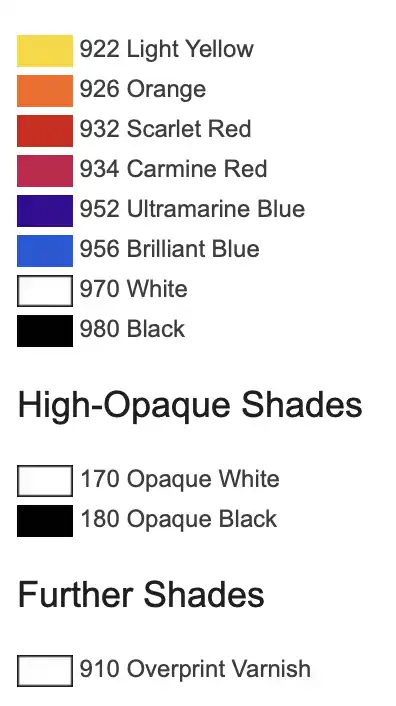
Color Swatches & Color Matching
- Standard ink colors
- Pantone matching
- RAL and HKS matching
- Production color approval
- Custom color support
Marabu Ink System Brochure
- Ink family comparison
- Substrate overview
- Application planning
- Related additives
- Technical purchasing review
Technical Data Sheets
- Ink selection
- Substrate compatibility
- Hardener and thinner guidance
- Drying and curing information
- Resistance and processing notes
Safety Data Sheets for Inks, Thinners, Hardeners, and Additives
- Ink SDS documents
- Thinner SDS documents
- Hardener SDS documents
- Additive SDS documents
- Storage and handling information
- EHS and purchasing support
Application Notes for Specialty, Textile, UV, and Medical Ink Selection
Use general industrial systems when the substrate is a common plastic or production component and the job requires balanced adhesion, opacity, and repeatable performance. Tampa Plus TPL, Tampa Pur TPU, and Tampa Tech TPT are often reviewed first depending on the durability requirement.
Specialty systems should be reviewed when standard-purpose inks do not provide the needed adhesion. Tampa Pol TPY and Mara Prop PP are relevant for polypropylene or polyethylene, while Tampa Glass TPGL and Tampa Star TPR help address hard, coated, or pretreated surfaces.
Textile and flexible applications require ink systems that can move with the substrate without cracking, fading, or losing adhesion. Tampa Sport TPSP and Tampa Tex TPX are useful when abrasion resistance, flexibility, wash resistance, or soft hand feel are important.
UV-curable systems such as Tampacure TPC are selected when fast curing, reduced drying time, and high-throughput production are central to the print process. UV suitability should be evaluated alongside substrate, equipment, and curing conditions.
Medical device pad printing requires careful review of substrate compatibility, durability, traceability, and regulatory expectations. Ink selection should be confirmed through part review and testing because medical applications vary by material, exposure conditions, and end-use requirements.
Not Sure Which Marabu Pad Printing Ink Is Right?
Send Automark your part material, application details, color target, and durability requirements. We can help determine the best Marabu pad printing ink, hardener, thinner, and process recommendation for your production needs.
Marabu Ink vs. Generic Pad Printing Ink
Manufacturing Consistency
Marabu: German-made professional ink systems with repeatable production quality.
Generic Ink: Quality and consistency can vary widely.
Technical Documentation
Marabu: Established ink families with supporting technical guidance.
Generic Ink: Documentation may be limited or inconsistent.
Substrate Range
Marabu: Multiple ink systems for plastics, metals, glass, textiles, polypropylene, and industrial applications.
Generic Ink: Often limited to broad claims without application-specific support.
Application Support
Marabu Through Automark: Ink recommendation support, substrate review, hardener/thinner guidance, and pad printing process knowledge.
Generic Ink: Often sold as a commodity with limited technical help.
Production Risk
Marabu Through Automark: Better suited for manufacturers needing repeatability, traceability, and durable results.
Generic Ink: May be acceptable for simple jobs but can create risk in production environments.
More Than Ink: Complete Pad Printing Process Support
Ink performance is affected by the pad printing machine, ink cup, cliché, pad shape, part fixture, surface treatment, environment, and operator setup. Automark supports the full process so customers can troubleshoot print quality, adhesion, color, and production consistency.
Shop Marabu Pad Printing Ink
Browse available Marabu ink products, colors, additives, hardeners, and related pad printing supplies. If you are unsure which ink system is correct, contact Automark before ordering.
Marabu Pad Printing Ink FAQ
Yes. Automark is an authorized distributor for Marabu and supplies Marabu pad printing inks, additives, hardeners, thinners, and related support.
The best Marabu ink for plastic depends on the exact plastic type, surface treatment, durability requirement, and production environment. Common plastic applications may involve Tampa Plus TPL, Maraprop PP, or other Marabu systems depending on the substrate.
Metal and coated metal applications often require ink systems with stronger chemical and mechanical resistance. Tampa Pur TPU or Tampa Glass TPGL may be considered depending on the specific surface and performance requirement.
Yes. Tampa Glass TPGL is commonly used for glass, ceramics, chrome, aluminum, steel, and other hard surfaces where adhesion and durability are important.
Some medical applications may require Class VI or other medical suitability documentation. Automark can help review the application and determine which ink system may be appropriate.
Yes. Automark can help evaluate your substrate, color requirement, durability needs, curing method, and production process to recommend the correct Marabu ink system.
Some Marabu inks are one-component systems while others are two-component systems requiring hardener. The correct setup depends on the ink series, substrate, and performance requirement.
Yes. Marabu ink systems can support standard colors and many custom color matching requirements including Pantone, RAL, and HKS targets depending on the ink family.
Need Help Selecting the Right Marabu Ink?
Send Automark your part material, application details, color target, and durability requirements. We can help determine the best Marabu pad printing ink, hardener, thinner, and process recommendation for your production needs.